I’m not going to lie: This has been a challenging year for climate practitioners in the United States. I’ve seen this firsthand as chief heat ambassador. Amid shrinking federal support and wide fluctuations in local leadership and financial capacity, it can be discouraging to consider the national state of climate.
However, I’m encouraged—dare I say inspired—by a deepening local commitment to climate efforts. The more that these efforts shift how communities build and operate programs and services, the more this work will continue in the face of political and economic volatility.
The threat of extreme heat offers a clear example—both of rising climate-related risk and also of strong, locally-led response.
The average number of heat waves across the United States has more than tripled since the 1960s, and the number of heat related deaths has increased over 50 percent.
In March, the southwestern United States experienced multiple days of record highs over 100 degrees Fahrenheit, with the costs to cool homes dramatically increasing in stride. Climate resilience and extreme-heat management and mitigation in particular are relatively new fields. But most models of success have something in common: collaboration across disciplines and sectors. Social cohesion is an essential ingredient to community resilience. It can also serve as an insurance policy, ensuring the work continues in times of budgetary and political retrenchment.
The promise of a holistic approach to heat
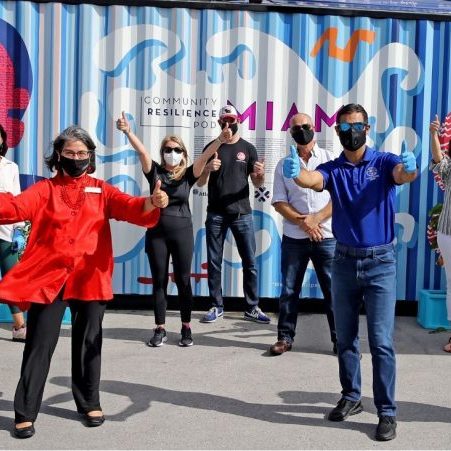
When I left my role as the chief heat officer of Miami-Dade County last year, my position was not retained and the Office of Resilience was moved and scaled back, going from twenty-three positions to eight within a few months. The county went from having three staff focused solely on extreme heat to one.
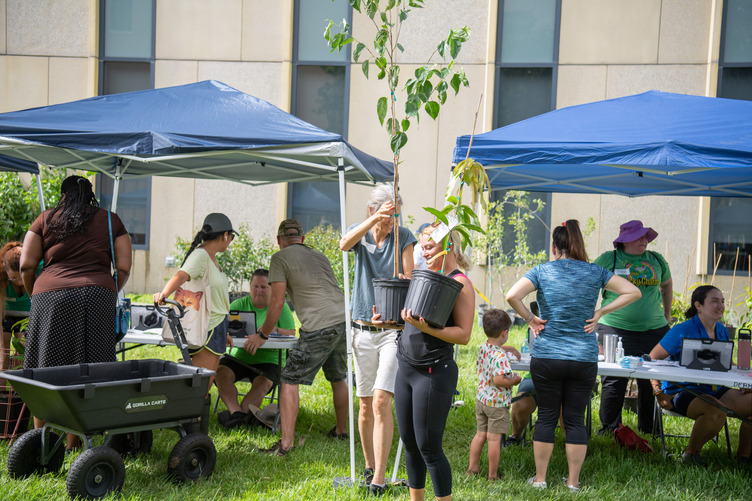
However, because my team and the Resilience Office involved multiple departments and external stakeholders in the development and implementation of the Extreme Heat Action Plan over the previous four years, much of the work continues. Despite cuts to the budget, heat-season outreach continues, because extreme-heat education was embedded in annual community-based hurricane preparedness trainings, employee orientations, and safety trainings. Other community partners continue the outreach to homeowners in need of energy efficiency upgrades and HVAC repairs, and tree planting and giveaways continue in partnership with public schools and faith-based institutions. The Department of Transportation and Public Works continues to install bus shelters in priority urban heat islands, and the county’s urban forestry team still prioritizes planting in low-income, low-canopy areas.
What’s the way forward?
Miami-Dade County is not a lone case. For example, in Hennepin County, Minnesota, the importance of stakeholder engagement and collaboration also still rings true.
There, the Climate and Resiliency Office partnered with the county’s public hospital to develop a Heat Resiliency Plan. To date, they have engaged over two hundred community scientist volunteers to map urban heat islands throughout Hennepin and Ramsey counties.
In partnership with community-based organizations serving their most vulnerable and hard-to-reach communities, they held a series of focus groups and one-on-one interviews to better understand where and when heat stress was happening and to co-design solutions. Finally, they administered a community-wide survey to further collect data on heat stress and proposed solutions.
They then shared this input with multi-departmental and institutional partners in working groups to further refine and prioritize solutions. By engaging thousands of residents and hundreds of key stakeholders in understanding the problem and designing the solutions, the county is creating long-term buy-in. Heat management and mitigation will become standard practice as the county designs public infrastructure, runs summer camps, and operates construction sites with heat in mind.
Hennepin County also offers an example of how communities are learning from each other. The county is modeling its doula outreach program on heat stress prevention after one developed in Florida. Philadelphia is now modeling a community-led heat response campaign after New York City’s Be-A-Buddy campaign. Los Angeles County and North Carolina have provided tools and templates for smaller, less-resourced municipalities to create their own localized heat vulnerability assessments and heat action plans.
It’s an old adage: “If you want to go fast, go alone. If you want to go far, go together.” By going together in this work, communities are strengthening their capacity to weather any storms, be they political, economic, or meteorological.
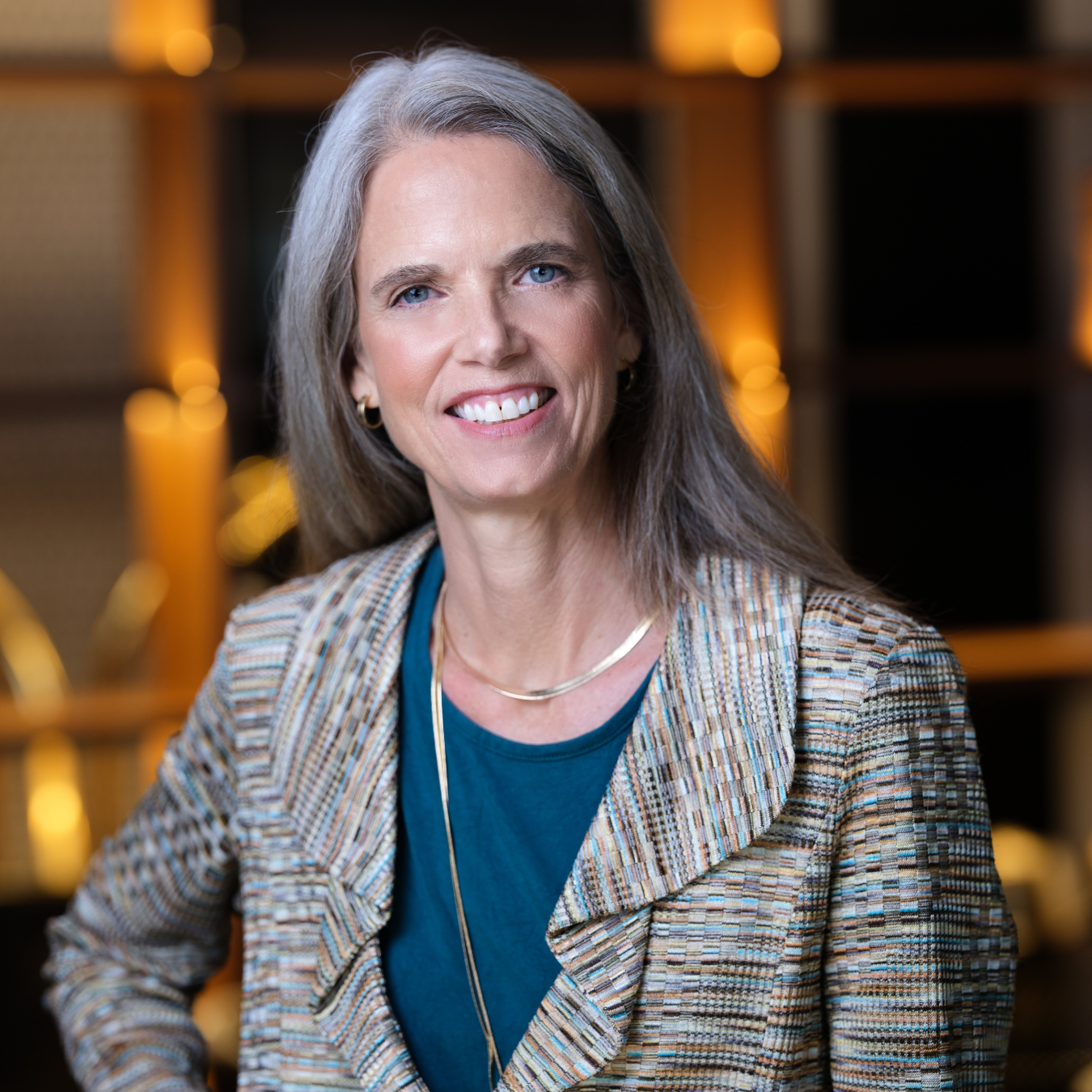
Jane Gilbert is the center’s chief heat ambassador. She served as the world’s first chief heat officer in Miami-Dade County and the city of Miami’s first chief resilience officer. Gilbert is a recognized voice in national climate resilience efforts.