Rising heat, fuel prices, and electrical grid demands
Congress has the tools to address this perfect storm
By Jane Gilbert Wed, Jul 1, 2026
Half of all Americans are facing triple digit temperatures this week as a heat wave sweeps across the country, placing extra pressure on the US energy crisis.
City and county officials and leaders of community-based organizations are increasingly concerned about energy affordability and heat risks in the home. Through my work with local leaders, I’ve also heard from them that what keeps them up at night is the possibility of a widespread and extended power outage during a time of extreme heat.
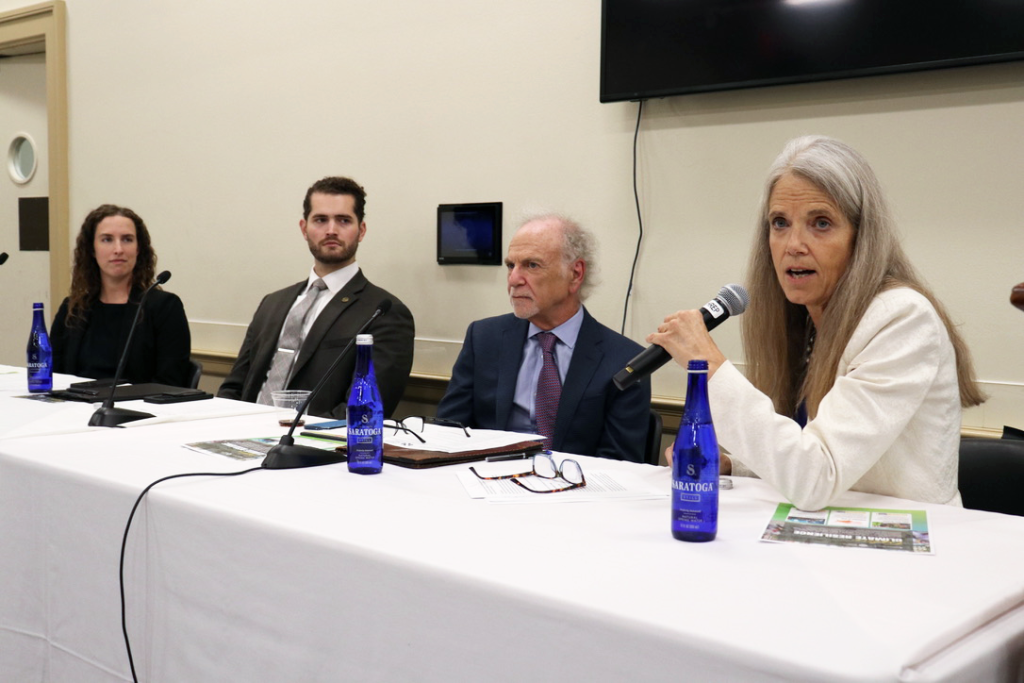
Energy affordability, reliability, and security are governed at the national and state levels. So, while the Atlantic Council’s Climate Resilience Center largely works on the local level, it took these concerns to Congress in June.
As someone who has worked in the climate space for years, it was refreshing to see the room full of congressional staffers and others advising elected leaders eager to hear recommendations for heat and energy resilience. Among those leaders were representatives Mike Lawler of New York and Greg Stanton of Arizona, the leaders of the bipartisan Extreme Heat Caucus, who made clear that energy security and system resilience were top concerns.
This article is part of The Climate Check-In, a series designed for readers who want to go beyond the headlines. Authored by a trio of senior experts, these articles draw on decades of experience in climate resilience to highlight the most critical developments in the field. Start your month with The Climate Check-In at the top of your inbox.
Staying cool is getting more expensive
US households are facing an average 40 percent increase in cooling costs since 2020, with a 10.5 percent jump since last summer alone, according to a report from the National Energy Assistance Directors Association and the Center for Energy Poverty and Climate.
Hotter summers and rising electricity prices are driving this crisis. Families are getting hit from both sides, which contributes to the rise in utility debt. Around 16 percent of US households are behind on their electricity bills. Utility companies disconnected electrical service approximately 13.4 million times in 2024. As summers get hotter, these cutoffs can translate into major health costs.
This energy and extreme heat crisis is not just a household burden. It is also part of a larger, systemic threat to grid and power infrastructure.
Extreme heat has created a perfect storm for the grid. High temperatures reduce the efficiency of power plants and electrical transmission. Notably, this comes at a time when demands for cooling are also at their highest. This can result in widespread, dangerous power outages. A 2023 study found that if a heat wave struck Phoenix during a multi-day blackout event, more than 50 percent of residents would require medical attention. Affordable and reliable energy is the backbone of the economy and community health.
What’s next for the United States
Luckily, there are state and federal policy levers that can mitigate these increasing risks. But as the US heads into another hot summer, there is a need to also redistribute national funds and resources as well as revisit policies to make sure that communities are well prepared and supported.
Existing policies such as the Low Income Home Energy Assistance Program (LIHEAP) can be adjusted for this hotter climate and allocate more of their funding to cover summer cooling and allow for air conditioning repairs and purchases. Additionally, federal policies should incentivize the introduction of new technologies into grids to improve performance without the large and long-term capital investments associated with new power plants.
Finally, utility companies rely on robust weather forecasting by the National Oceanic and Atmospheric Administration (NOAA) to effectively manage demand fluctuations and disruptions from extreme weather events. NOAA also leads an interagency task force designed to address the impacts of rising temperatures on all programs and infrastructure. After NOAA faced cuts and restructuring over the past year, Congress needs to protect NOAA’s National Weather Service and invest in its National Integrated Heat Health Information System.
As the country moves into election season, this is a good time to ask elected leaders about their commitment to addressing these critical issues.

Jane Gilbert is the center’s Chief Heat Ambassador. She served as the world’s first chief heat officer in Miami-Dade County and the city of Miami’s first chief resilience officer. Gilbert is a recognized voice in national climate resilience efforts.