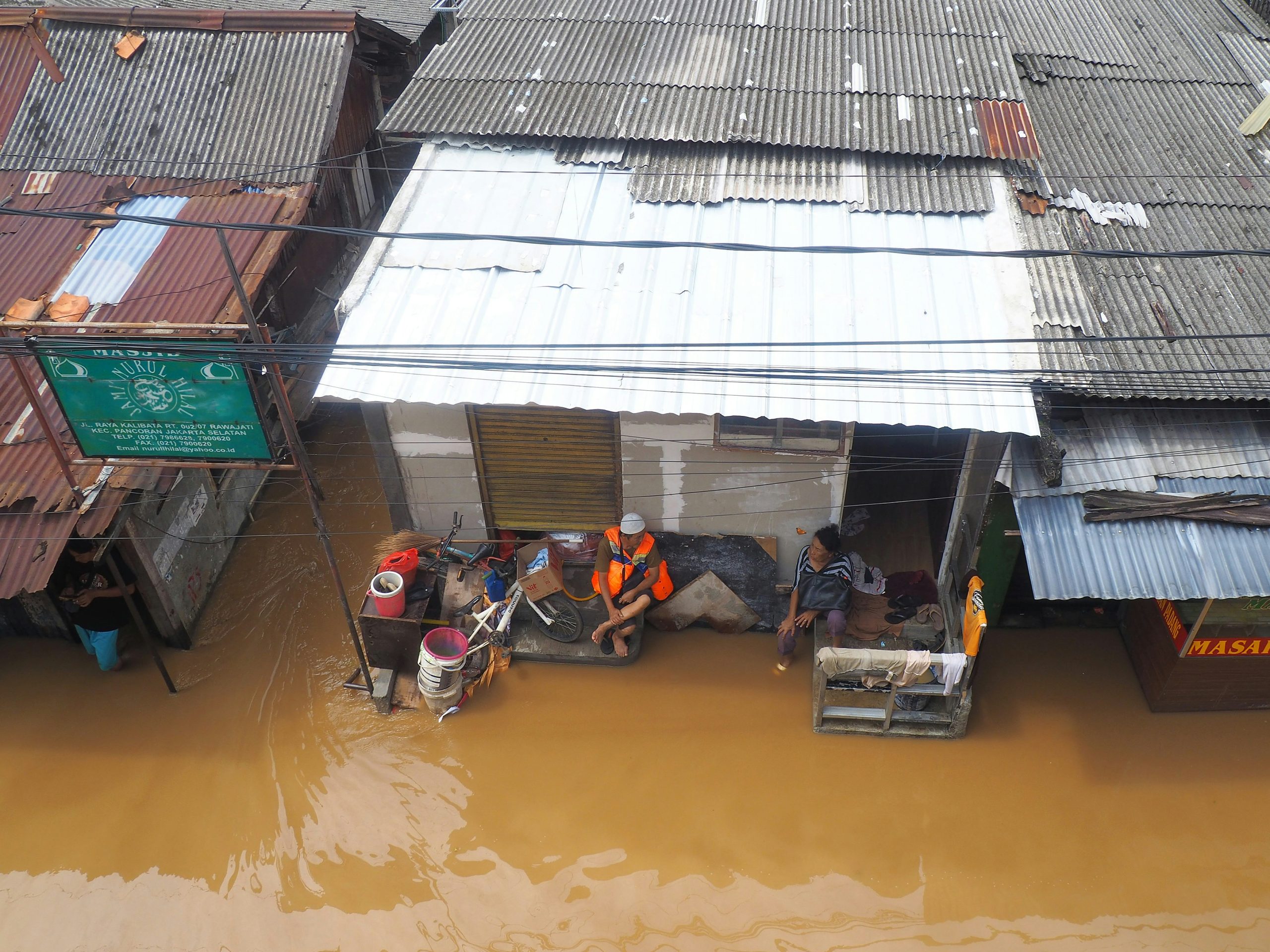
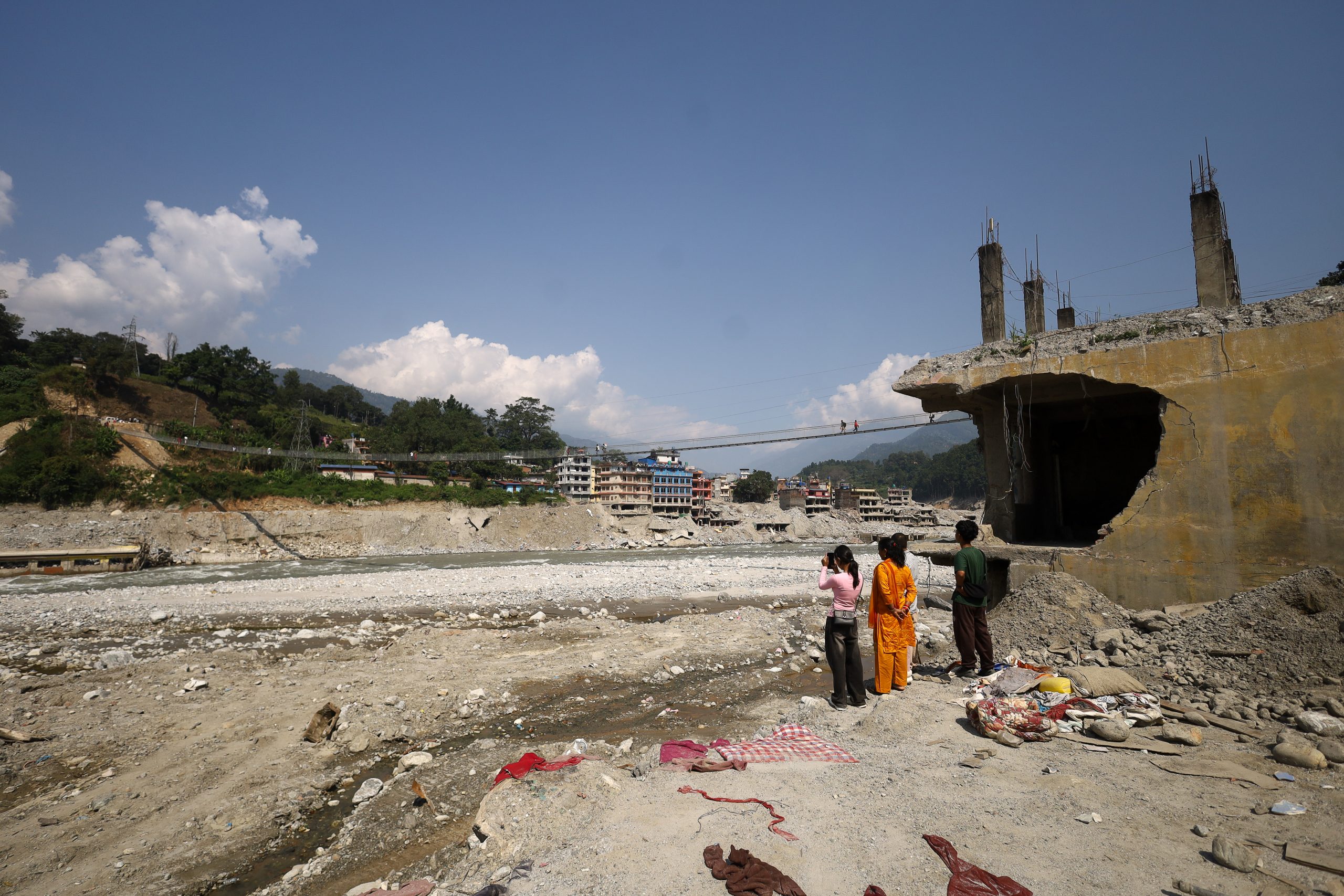
When climate disasters strike, there are costs. The costs that can no longer be avoided fall under the category of “loss and damage.” This category of climate costs acknowledges that adaptation solutions—like building sea walls or planting trees to expand shade cover—can not suffice. Many climate impacts are already “locked-in.” Even with adaptation and mitigation efforts, these impacts are unavoidable in the short-term and will inevitably cause damage to lives, ecosystems, infrastructure, and economies.
In 2022, the Fund for responding to Loss and Damage (FRLD) was established at the twenty-seventh UN Conference of the Parties (COP27). The member states operationalized two years later. Now, another two years after that, the fund stands ready to deliver its first disbursements.
The fund, by design, solicits contributions from wealthier countries viewed to be more responsible for the current climate emergency. Since its founding, twenty-seven countries have pledged a combined total of over $700 million to the fund. While notable, this is a drop in the proverbial bucket. The millions of dollars mark a significant increase, but still cover a meager 0.2 percent of the estimated annual losses due to climate change.
By taking a deeper look at the numbers, our Loss and Damage Tracker unveils the very human cost of climate change and the urgent need to reserve and deliver funding for the inevitable losses.
The delivery gap
In addition to the criticisms concerning the gap between the pledged amount and the estimated need, there is another critical gap. While $768 million dollars have been pledged toward the FRLD, not all of that funding has been received. In fact, six countries have not delivered a first installment. The chart below shows how each country’s pledge compares to what they have actually paid. The pledges and contributions are set in millions of US dollars and fixed at December 2025 rates.
Source: World Bank
The funding streams
The maps show where the funding is coming from and where it’s headed. While early decisions were anticipated, the board of the FRLD announced its decision to postpone approvals during its ninth meeting and only made its first provisional approval for disbursement in October 2026. The board is set to make additional decisions on disbursements under the Barbados Implementation Modalities (BIM) in November 2026.