How London Climate Week could shape COP31’s heat agenda
By Hana Abdelatty Fri, Jun 19, 2026
As summer kicks off in the northern hemisphere, many countries have already braced for sweltering heat. In the United Kingdom, spring temperatures shattered century-level records twice in one week. Equally concerning were overnight temperatures exceeding 20 degrees Celsius (68 degrees Fahrenheit), creating a rare “tropical night” for a region unaccustomed to such conditions.
While these temperatures would be unusual in the summer for the region, they are exceptional in May.
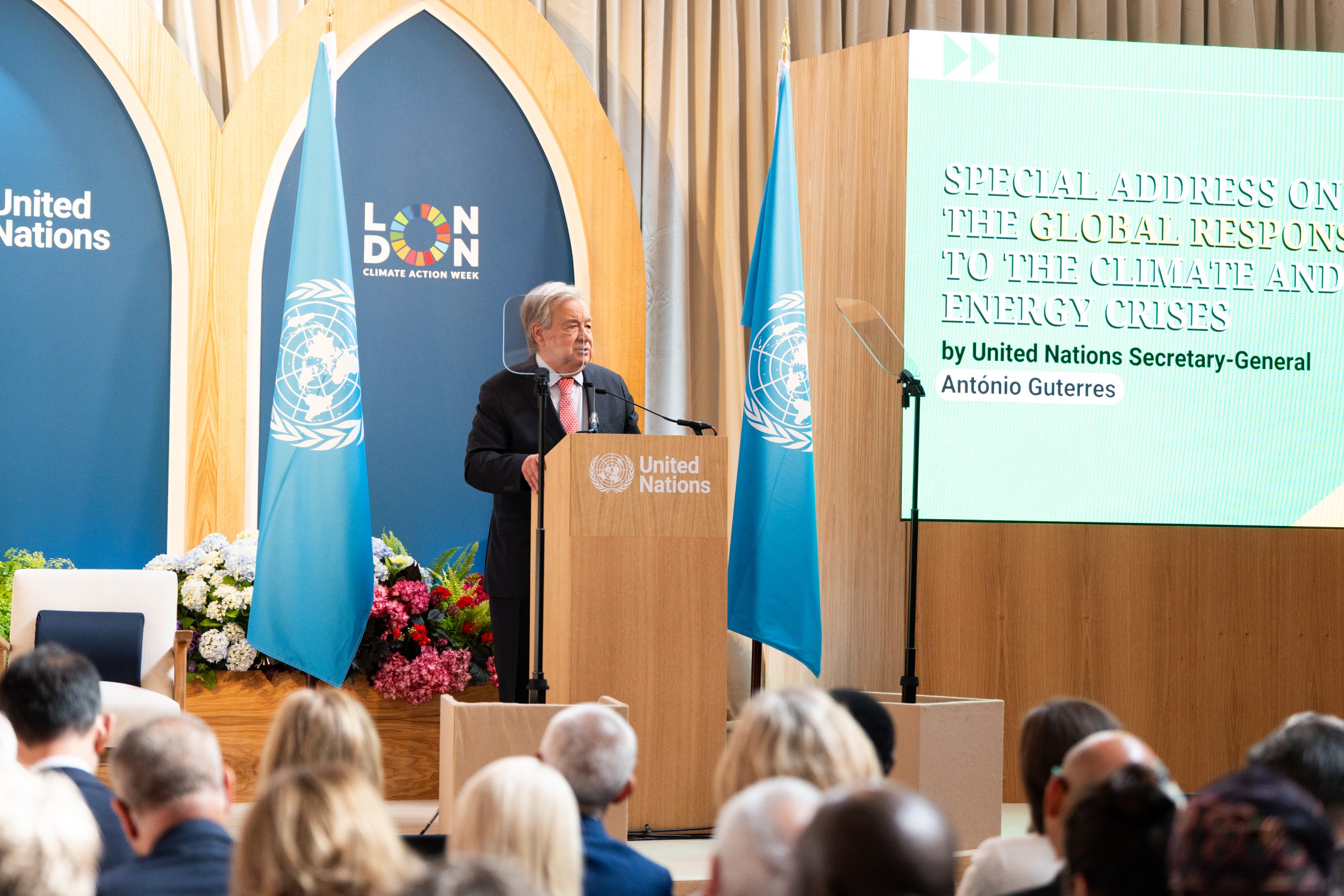
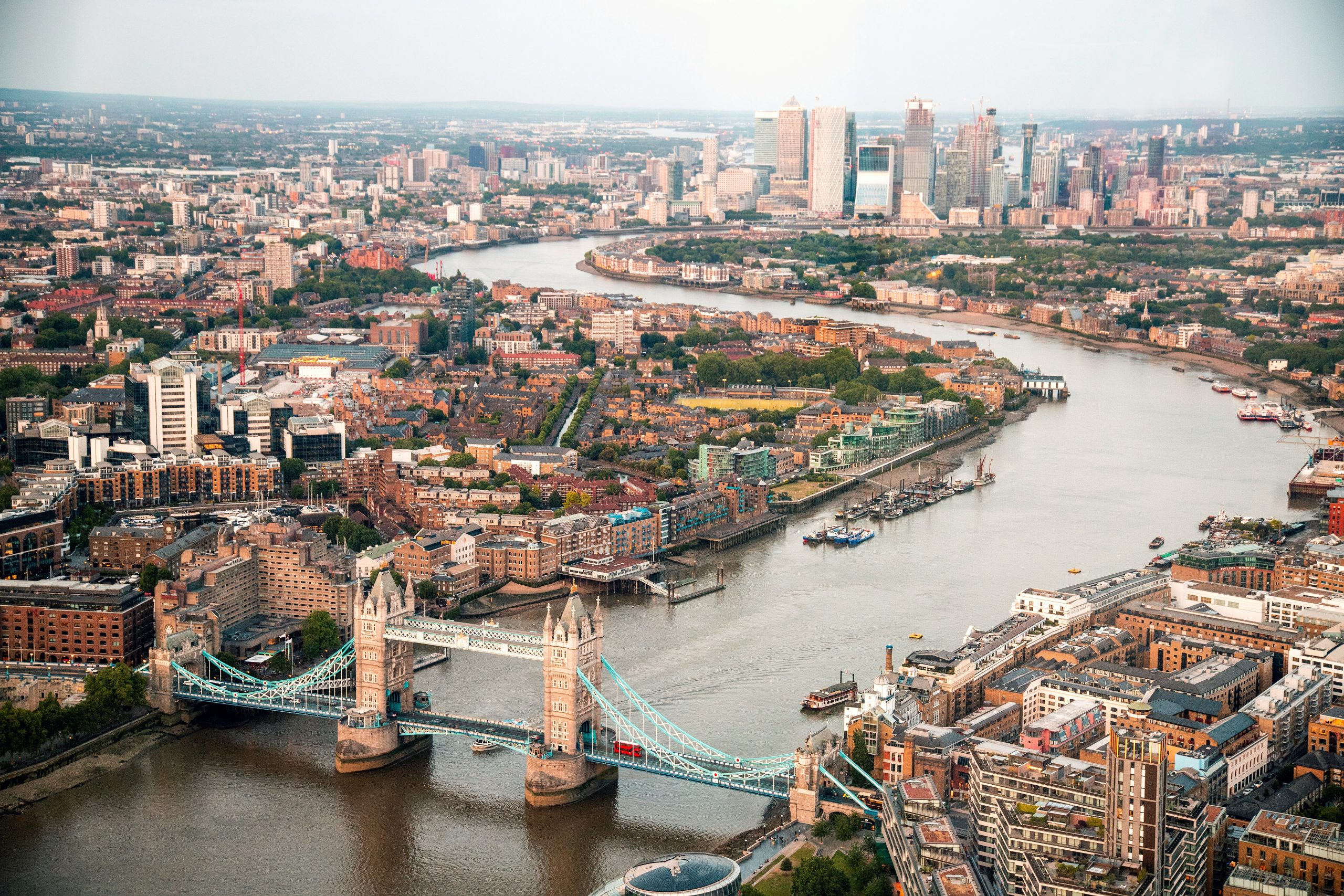
Against this backdrop, London Climate Action Week 2026 is set to kick off. Taking place at the midpoint between the thirtieth UN Climate Change Conference of the Parties (COP) and the upcoming COP31, London Climate Week has emerged as an increasingly important milestone. The discussions that happen across the city offer a critical opportunity for the international climate community to assess progress and shape priorities for the annual Conference of the Parties.
This article is part of our path to COP31 campaign. Our team and expert partners are sharing articles and research to deepen your understanding of the significance of this year’s UN climate conference. Explore leading evidence-based analysis and policy insights.
This year’s agenda: The energy and extreme heat nexus
At COP30, the agenda on heat was focused on cross-sector solutions and local action. But London Climate Week is already pointing to an interesting shift. This year’s conversation has moved to a deeper exploration of the extreme heat, cooling, and energy nexus.
Against the backdrop of major events including the Iran war and the rapid expansion of data centers to support artificial intelligence demands, COP31 co-hosts Turkey and Australia have prioritized global electrification as a key agenda item.
The COP31 presidency is framing the issue as one of equitable energy access, affordability, and security. In fact, Turkey’s environmental minister, who will preside over COP31, has declared that the world should aim to meet one third of its energy needs from electricity by 2035. This marks a 20 percent increase from current rates.
The shift to the climate-energy narrative can build on—not replace—local action
Earlier this month, scientists marked the onset of the El Niño weather pattern. As El Niño strengthens, cooling demand is expected to surge to unprecedented levels. This will place additional pressure on energy systems at a time when they are already facing significant strain.
In many regions, these pressures contribute to blackouts, service interruptions, and higher energy prices. In London, news coverage is already pointing to concerns for the household implications of rising costs. These pressures create a feedback loop in which vulnerable populations face both dangerous temperatures and reduced access to cooling.
Notably, these consequences reach beyond London. During the June 2025 heat dome that impacted the midwestern and northeastern US, approximately 80,000 people across four states were left without power as extreme temperatures overwhelmed grid demand and capacity.
So, while the larger narrative is focused on energy systems, there is a clear need to prioritize local action. After all, city policies and heat wave responses can transform national climate commitments into tangible outcomes.
Under the Beat the Heat implementation drive, the 50@50 global activation was launched this month to highlight practical city-led solutions. Looking ahead to London Climate Action Week, the activation drive offers an opportunity to spotlight scalable, city-led cooling innovations. These also can contribute to broader COP31 presidency objectives, which have already pointed towards electrification and wider energy transition goals. Importantly, adaptation strategies like passive cooling, urban greening, and heat-resilient business design can reduce peak energy demand during heat waves. This, in turn, can alleviate pressure on urban energy systems, lower long-term costs, and support an efficient electrification transition.
What to know as the world gathers in London
The central question for heat resilience practitioners is collaboration. How can governments, utilities, corporations, and communities can better collaborate to more effectively strengthen critical infrastructure, safeguard public health, and build resilience to emerging stressors in an increasingly hotter world? As the final agenda takes form, there is a clear narrative on access to sustainable cooling. The sessions focus on bottom-up urban heat solutions, unlocking climate finance, and accelerating corporate climate partnership and implementation. If this framing continues to inform the COP31 Action Agenda, there could be new platforms for sustainable and passive cooling solutions.
London Climate Action Week is setting the stage for COP31. As such, it represents a critical moment to move beyond siloed discussions. Policymakers and practitioners must address extreme heat not only as an adaptation challenge, but also as a critical economic and energy security risk.
By connecting emerging research with city-level solutions, the week can build the momentum needed to shape coordinated and ambitious extreme heat and cooling outcomes at COP31.