Since COP26, the Atlantic Council’s Climate Resilience Center has engaged at the UN Conference of the Parties (COP) to keep adaptation and resilience at the top of the international agenda. Working alongside our partners, we are focused on accelerating collective action to deliver climate resilience solutions at speed and scale. We work with leading experts across sectors to address the climate crisis holistically and inclusively.
Each engagement and conversation is shaped by our mission to improve lives, protect livelihoods, and expand opportunity for communities on the front lines of the climate crisis.
For the Climate Resilience Center, COP is not an end goal but a beginning. The outcomes of each conference mark an opportunity for key stakeholders. Each conference is a chance to deliver on their commitments and raise the level of ambition for climate resilience worldwide.
Six years of climate progress: Our engagements at COP


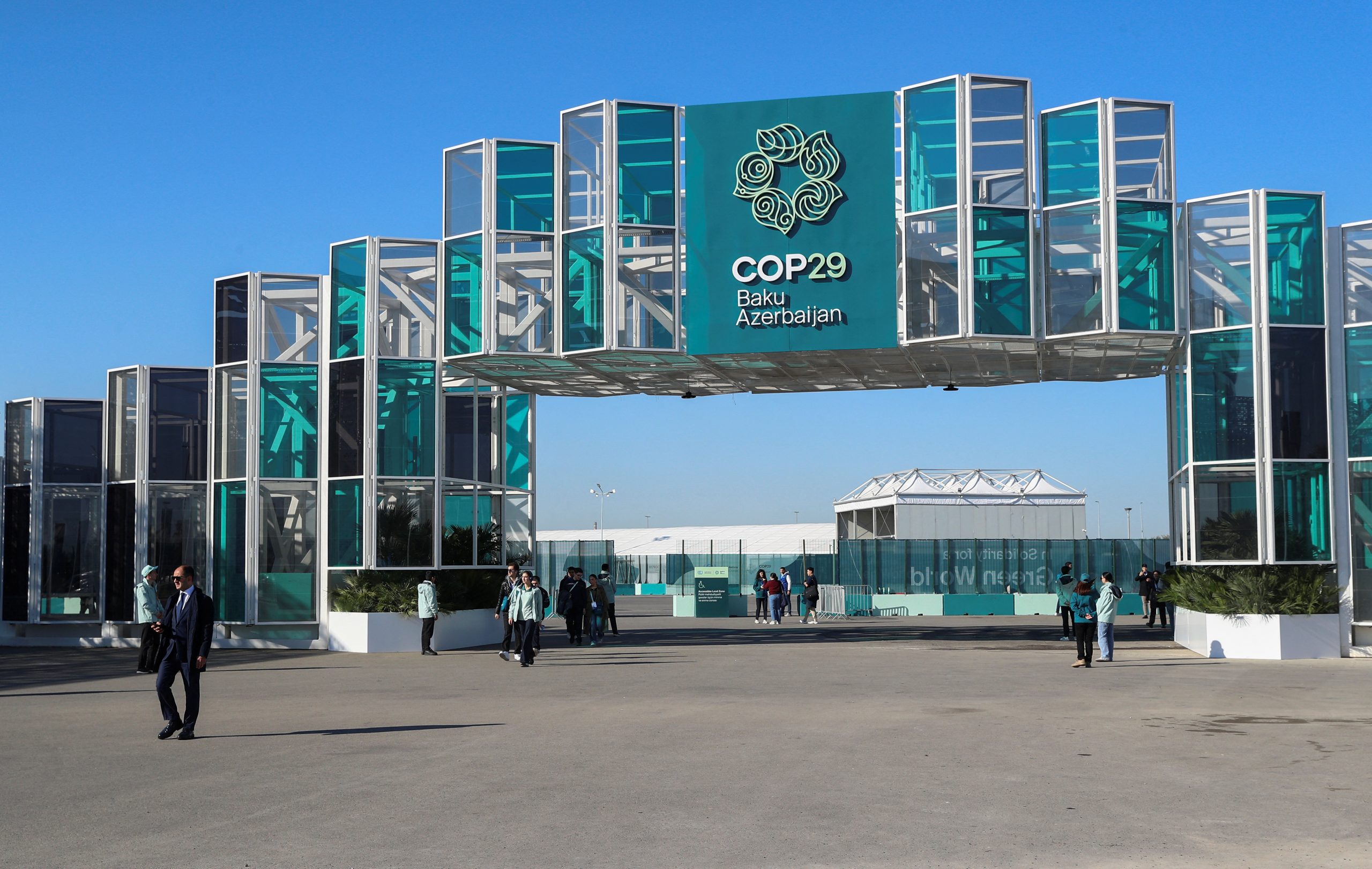


Connecting with high-level climate leaders
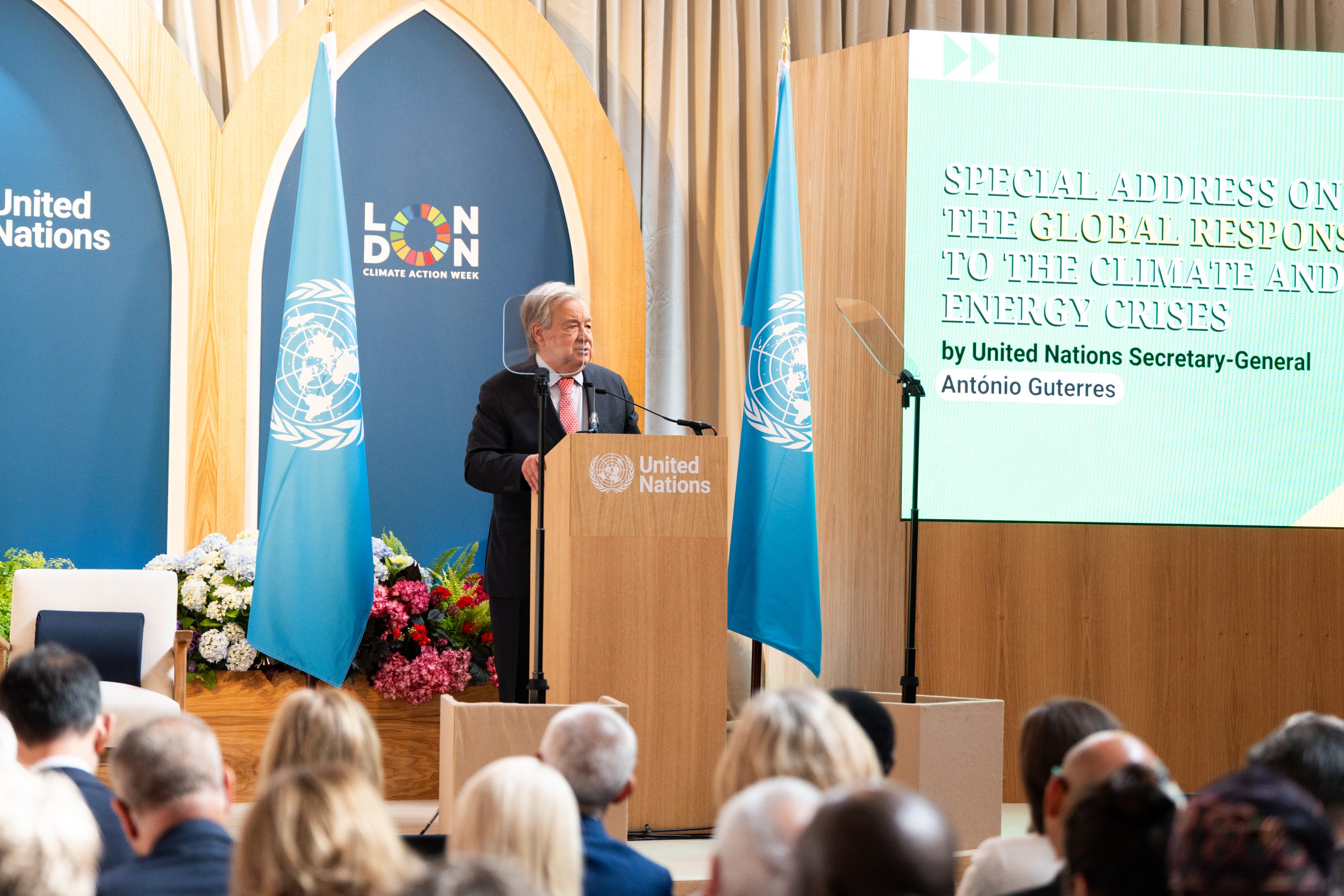
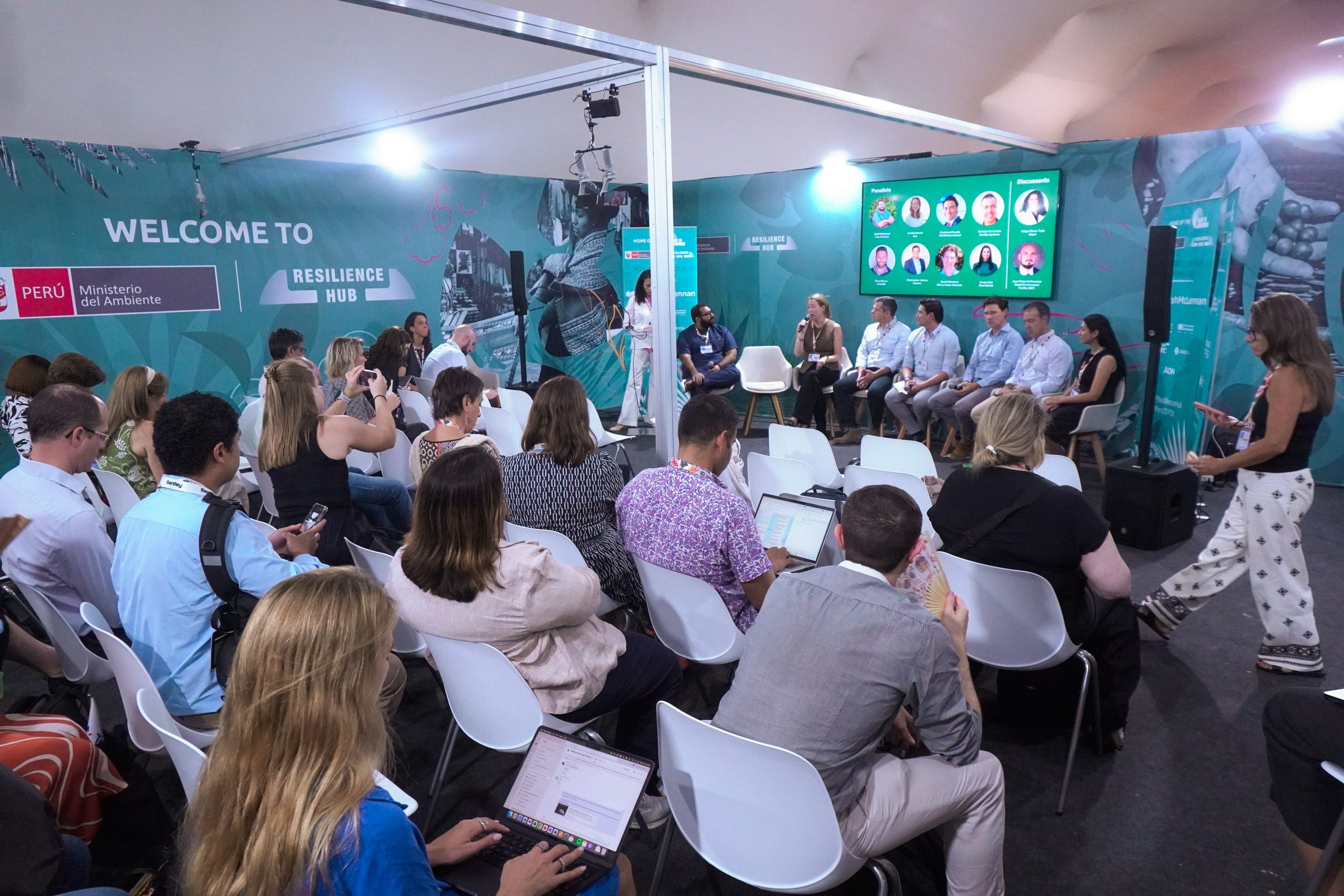
Through on-the-ground discussions, our team connects leaders from both the public and private sectors. These conversations are designed to increase ambition and shape the conversation on adaptation and resilience. Together, we can elevate diverse global voices and foster collaborative approaches and solutions to the climate crisis. Since COP26, we have hosted leaders, including Secretary Hillary Clinton, House Speaker Nancy Pelosi, US Representative Kathy Castor, Climate Champion Dr. Mahmoud Mohieldin, Mexico’s President Felipe Calderón, and Global Chief Heat Officer Eleni Myrivili.
Secretary Hillary Clinton at COP28
Speaker of the House Nancy Pelosi at COP27
Climate Champion for COP27 Dr. Mahmoud Mohieldin
Explore our analysis from past COPs
Spotlight analysis from Jorge Gastelumendi
As COP30 concludes and with the preparations for COP31 are well underway, the world is left to reflect on the real impact of the outcomes of Belém. The work done fell short of many expectations, but there is still hope for the purpose and utility of the Paris Agreement even after ten years, argues Jorge Gastelumendi.